
WHISPER - Women in Sustainable Peace, Empowerment & Reconciliation
KWC are delighted to launch the WHISPER project, which has been supported by the Department of Foreign Affairs and Trade(DFAT) Reconciliation Fund.
WHISPER will support 40 women from the sub-region of Ards & North Down in a range of activities with Good Relations and Cross Border engagement at its heart. The project is designed to support women in community leadership roles, and new and emerging female leaders to enhance their roles in the community and to build our connections on an all island basis.
For information on how to get involved contact Alison at the centre on 028 91 478292
Follow us on social media for up to date details on opportunities and news on the impact of the project.

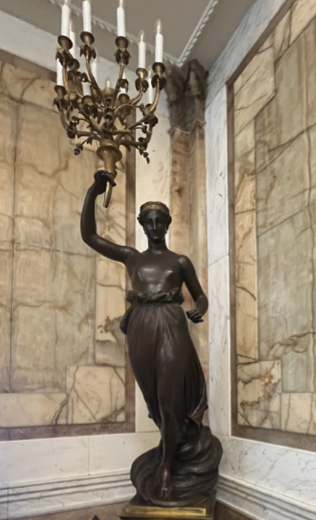
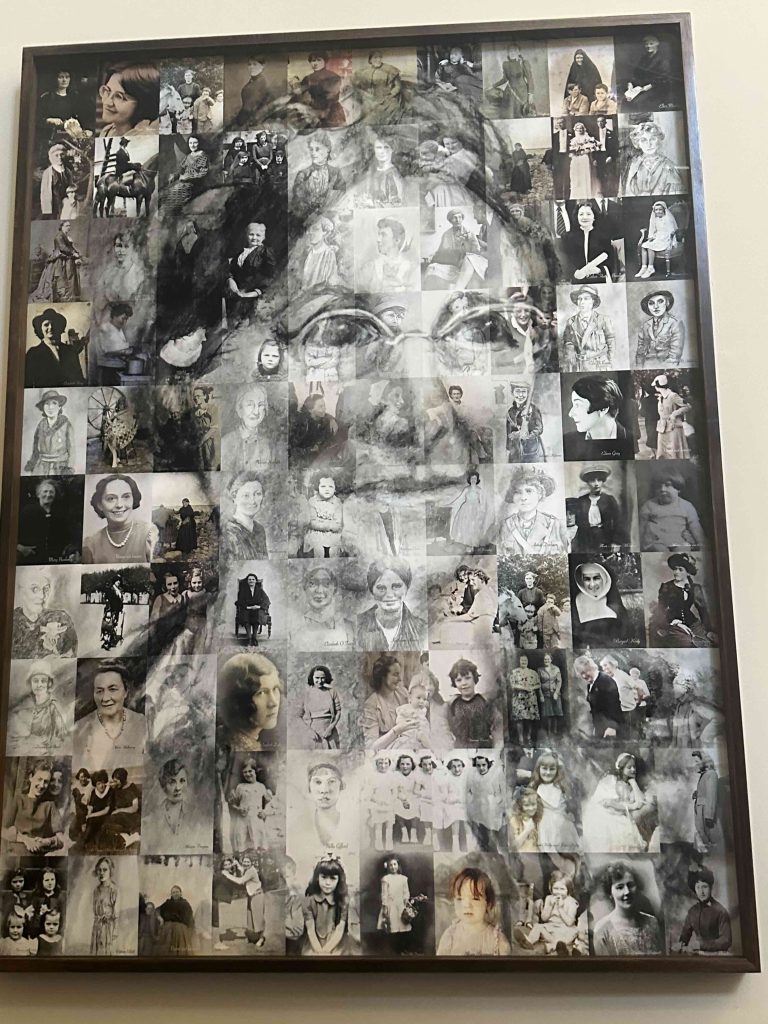
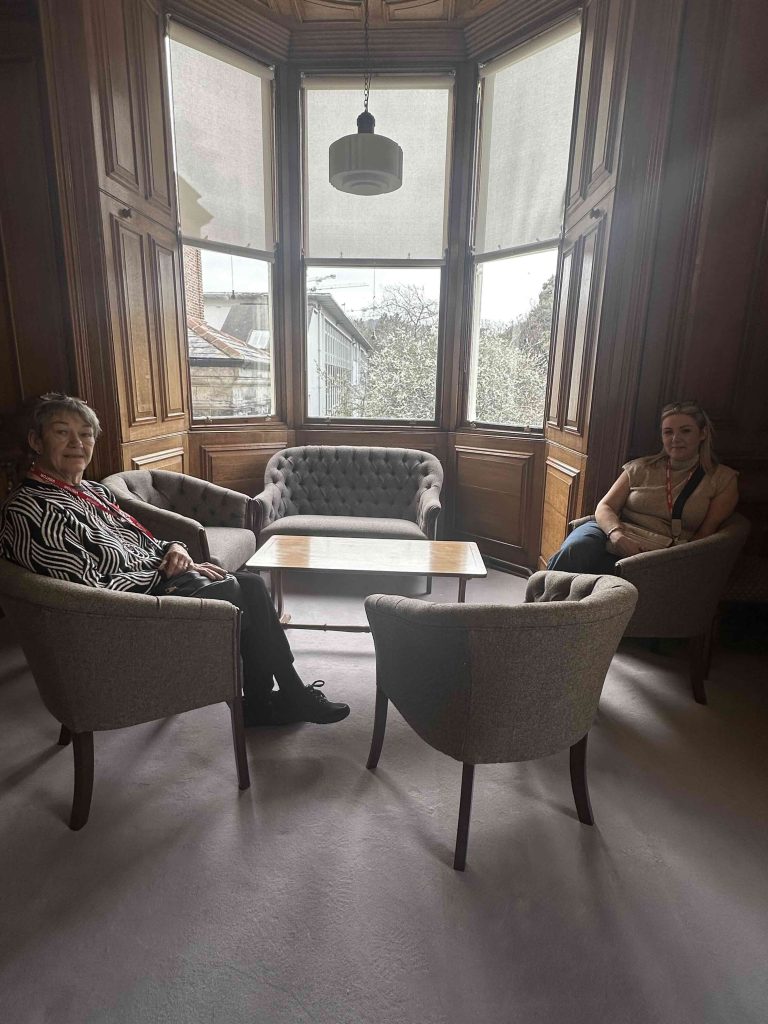

Project Supporting Women in Leadership Across Ards & North Down.
Whisper is more than just a project—it’s a transformative journey designed to empower women as catalysts for change within their communities. Funded through the DFAT Reconciliation Fund, this initiative blends skill-building activities, mentorship, and networking opportunities with an inclusive advocacy approach. The project provides a powerful platform for diverse, underrepresented, and emerging voices to articulate their perspectives on reconciliation. By creating new opportunities for a shared vision for the future, the project helps communities from different traditions come together. Participants join a dynamic network of changemakers, gain invaluable skills, and access ongoing mentorship and events that support their advocacy journey.
Through this project women not only transform their own lives but also create lasting, positive impacts on the communities they represent.The project includes series of structured workshops focused on developing core advocacy and lobbying skills. Each session builds on the previous one, ensuring that participants can apply their learning through practical exercises and interactive discussions. The journey begins with an Introduction to Advocacy and Lobbying, where participants explore key definitions and examine case studies of successful campaigns. This foundation is followed by a workshop on Effective Communication in Advocacy, where attendees craft and present persuasive speeches tailored for various audiences. As the series progresses, workshops cover essential topics such as Building Relationships with Stakeholders, where role-playing activities help hone networking and relationship management skills, and Strategic Lobbying: Planning and Execution, which guides participants in creating actionable lobbying plans. Additional sessions delve into Grassroots Mobilisation and Community Engagement, The Art of Negotiation and Persuasion, Advocacy in Action: Meeting with Policymakers, and finally Evaluating Advocacy Campaigns, providing participants with tools and metrics to measure their impact. Together, these eight workshops equip participants with practical strategies to influence social and political change effectively. Together the participants and women in community and civic society will come together to develop a Regional Strategy for Reconciliation, a blue print for the next 5 years across the Borough of Ards and North Down, to improve outcomes on peace and reconciliation particularly focusing on women.
We will co design the strategy and key training toolkit resources for better understanding of UN Resolution 1325 which ensures the inclusion of women in post conflict society.

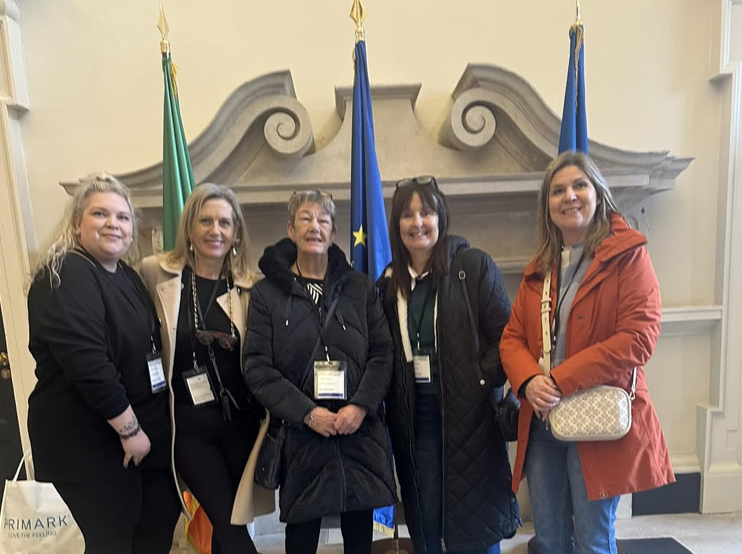
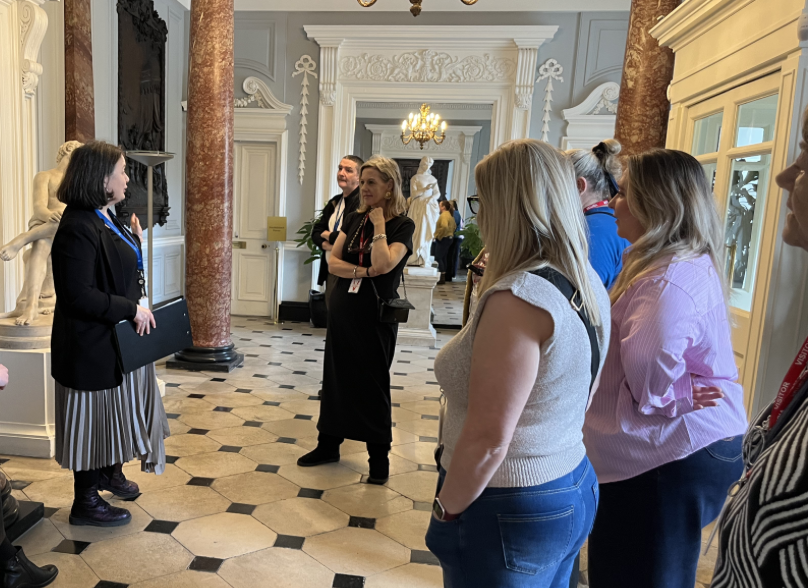
Leadership Residential - Dublin 2026
Building relationships, friendship and collaboration is a key element of the WHISPER project. When we co-designed the project with potential participants, they were keen to look at a long term engagement, as we all recognised that women in community across the sub region of Ards North Down are being left behind in comparison to their Belfast / Derry counterparts. There is much work to be done, and we are coming from a place of great need. Many of the women working in the sector, are volunteers, are getting older and we want to make the women’s sector in the region more sustainable and robust, to encourage new people and in particular young women to get involved.
The Dublin residential included a range of participants, with different levels of experience. What united us all, was our desire to improve frontline community services to women in the area, with a focus on disadvantaged, rural women, migrant women and women with mental health challenges. Additionally – it is vital we include ending violence against women and girls into all elements of the work we do together.
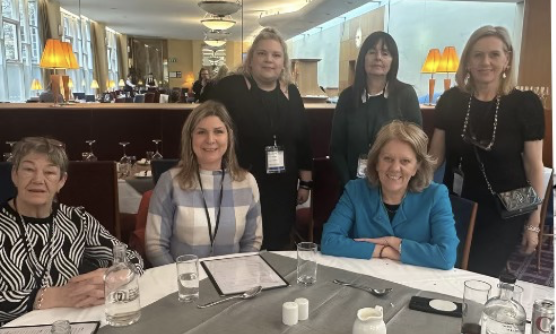
Mentoring & Coaching
The Ripple Effect:
Why Coaching and Mentoring Women in Leadership Benefits Everyone
We often talk about the “glass ceiling” as a barrier that needs to be smashed. But the reality is that breaking through requires more than just ambition; it requires support, guidance, and a safe space to develop. While the need for diverse leadership is well-documented, the true value of supporting women through leadership coaching and mentoring goes much deeper.
As part of our work with the Department of Foreign Affairs and Trade (DFAT), KWC offers a number of opportunities to engage in mentoring, including volunteering, job shadowing and 1-1 support sessions. These are available within the organisation and through our network of partnership organisations.
Contact the team for more information or express interest in the programme.
Mentoring and coaching creates a ripple effect. When we invest in a woman leader, we don’t just elevate an individual; we transform organisations and strengthen communities, particularly those impacted by the NI Troubles.
Here is why coaching and mentoring for women is one of the most high-impact investments we can make.
1. The Value to the Individual: Confidence and Clarity
The journey to leadership can be isolating. Women often face unique challenges—from imposter syndrome to navigating unconscious bias—that can stall a career. Confidence and self esteem is a barrier many experience.
Coaching provides a personalised roadmap. It isn’t just about learning how to manage a team; it is about self-discovery. Through coaching, women can:
Identify their unique leadership style: Moving away from the “command and control” models of the past to embrace authentic, empathetic leadership.
Build unshakeable confidence: Having a coach means having a cheerleader and a mirror. It allows women to recognise their own value and negotiate for the roles and salaries they deserve.
Navigate transitions: Whether stepping into an new role or returning from maternity leave, coaching provides the tools to handle change with resilience.
Mentoring, on the other hand, offers the power of perspective. A mentor is someone who has walked the path before. For the individual, this means:
Expanded networks: Access to “the room where it happens.”
Psychosocial support: A safe ear to discuss frustrations and fears without judgment.
Practical advice: Real-world strategies for overcoming specific organisational hurdles.
2. The Value to the Organisation: Culture and Retention
When an organisation invests in women’s leadership development, the impact on the bottom line is undeniable. But the cultural value is just as significant.
Retention of Top Talent: Women are more likely to stay with an employer that actively invests in their growth. If a woman feels stuck, she will leave. Coaching and mentoring create a clear pathway for progression, reducing turnover. This also impacts on succession planning, an issue many community based organisations in Northern Ireland are facing.
Diverse Decision Making: Research consistently shows that diverse teams make better decisions. By supporting women into leadership, organisations benefit from a wider range of perspectives, leading to more innovation and better problem-solving.
Cultural Shift: When women are mentored, they often become mentors themselves. This creates a culture of knowledge sharing and support rather than competition. It signals to the entire workforce that the organisation values equity and inclusion at every level and encourages the ripple effect of cascading learning.
3. The Value to the Community: Role Models and Social Impact
The benefits of female leadership extend far beyond the office walls. When women rise, they lift others.
Breaking Generational Cycles: When a woman becomes a leader, she becomes a visible role model. Young girls in the community see what is possible. They see that they don’t have to choose between being kind and being powerful.
Community Advocacy: Women in leadership positions are statistically more likely to advocate for social issues, including education, healthcare, and family support. They often steer corporate social responsibility efforts toward community-centric causes.
Economic Empowerment: Supporting women in leadership strengthens the local economy. Women in leadership roles tend to reinvest in their families and communities, creating a multiplier effect that boosts local prosperity.
To get involved, why not contact the team about current opportunities available via the Whisper and Pearl projects supported by the Department of Foreign Affairs and Trade Reconciliation Fund.

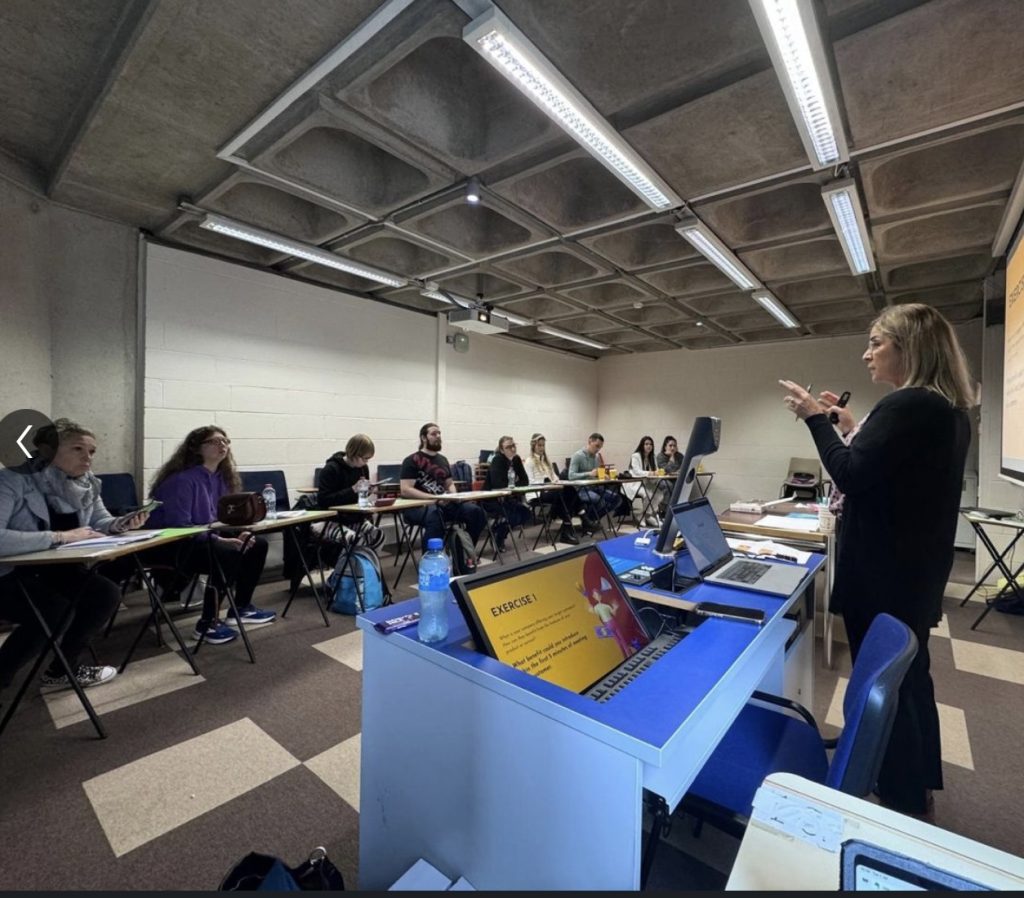


Public Speaking & Growing Confidence

In the women’s sector, the ability to communicate with clarity and conviction is often what transforms a good idea into a meaningful movement and it is critical that local women have the confidence and skills to convey messages to a range of audiences such as the media or a local group or organisation. However, for many emerging female leaders, the prospect of addressing a room full of people or key stakeholders, presenting a budget to a board, or simply voicing an opinion in a meeting can be a significant barrier to impact. This is why dedicated workshops focused on confidence building and public speaking are so vital. They move beyond the simple mechanics of speech-making to address the internal blocks that hold individuals back. By providing a supportive environment to practice and fail safely, participants learn to harness their authentic voice, ensuring that their passion for their cause is communicated as powerfully as the data that supports it.
This element of the WHISPER project will focus on confident communication to ensure this skill is core to the Whisper project’s participants. We recognise that mastering the technical skills of charity governance or financial management is only half the battle; one must also have the confidence to advocate for those strategies effectively. Our upcoming workshops are designed as a practical and safe space for participants to develop these exact skills. Through guided exercises and constructive feedback, participants will learn to manage nerves, structure compelling narratives, and engage diverse audiences—whether they are speaking to a team of volunteers, presenting to community members, or championing a funding proposal. By integrating public speaking and confidence-building into the programme, we are ensuring that our future leaders are not only knowledgeable but also articulate and poised, ready to represent their organisations and communities with assurance and authority.
Job Shadowing & Continuous Development
In the fast-evolving landscape of charity and community development, continuous personal development is no longer a luxury—it is a necessity, particularly for women working in the sector and in these challenging times where every penny into the community counts. While formal training and workshops provide the theoretical framework for growth, we have created immersive experiences for job shadowing which offer something uniquely valuable: context. By observing a project colleague or community leader navigate the complexities of their role, individuals gain real-time insight into decision-making processes, problem-solving techniques, and the subtle art of leadership. This hands-on observation bridges the gap between knowing and doing, ensuring that professional development is not just about acquiring knowledge, but about understanding how to apply it effectively in the real world and into the complex community sector in Ards and North Down.
This philosophy is at the very heart of the WHISPER supported by the DFA Reconciliation Fund. We have designed this element to be a practical engine for upskilling, specifically targeting the core pillars that keep our charities and community spaces thriving. Through structured shadowing opportunities, mentees will witness first-hand the intricacies of robust charity governance and efficient administration, seeing how policies translate into daily action. Furthermore, the programme will open doors to mastering smart tools for effective finance, allowing participants to learn from experienced mentors who can demonstrate how technology can streamline budgeting, reporting, and fundraising in ways that a textbook simply cannot replicate.
Ultimately, the Whisper project’s mentoring programme is about nurturing well-rounded leaders who are equipped to manage both people and places with confidence and can engage with a range of key stakeholders with confidence. Job shadowing within this framework allows new and emerging managers to observe different leadership styles and community engagement strategies in a live setting. They can see how a mentor mediates a difficult conversation, motivates a team of volunteers, or makes a tough call about resource allocation for their community hub. By building these connections and creating a safe space for observation and reflection, we are not just passing on skills; we are building a resilient, knowledgeable, and interconnected community capable of steering its organisations toward a sustainable future, where it is crucial we all think about succession planning.


This strategy has been co-designed by local women for local women. The document will be available to download here shortly.
Ards and North Down is a Borough of contrasts. It is home to over 163,000 people, a growing and diverse population, and a vibrant community and voluntary sector. Yet it is also a place where the legacy of the conflict continues to shape everyday life, where women remain underrepresented in leadership and decision-making, and where gender-based violence is a persistent and escalating crisis. A large section of the population were displaced from Belfast during the Troubles and settled and have raised their families. It was produced with the support of the Reconcilation Fund from the Department of Foreign Affairs and Trade (DFAT) in Dublin. It sets out a five-year regional reconciliation framework for women in Ards and North Down. It has been co-designed with local women and is built on the recognition that women have been the hidden architects of peace in Northern Ireland — as first responders for families during the worst days of the conflict, community mediators, cross-community organisers, and frontline supporters of families devastated by conflict and the ongoing trauma it has left— yet their contributions remain largely absent from official narratives and their needs are often overlooked in reconciliation funding and programming.
The strategy is grounded in the lived experiences of women across the Borough and informed by existing programmes, including the PEACEPLUS Local Action Plan, the Ending Violence Against Women and Girls (EVAWG) Strategic Framework, and the work of Kilcooley Women’s Centre and its staff, volunteers and participants.
This will be a living document over the coming 5 years, working to the strategy developed by women, being agile to change to new and emerging needs which may impact reconciliation and good relations in the region.
The pdf document will be available here to download following launch in Autumn 2026.

Digital Learning Toolkit
PowerPoint Slides –
CLICK BELOW FOR TRAINING MENU – SLIDES & FACILITATOR NOTES
UN1325_Unit1final_What_is_UNSCR_1325
UN1325_Unit1_Facilitator_Notes
UN1325_Unit2_Northern_Ireland_Context-2
UN1325_Unit2_Facilitator_Notes
UN1325_Unit3_International_Lens
UN1325_Unit3_Facilitator_Notes
UN1325_Unit4_Gender_Power_Conflict_Analysis
UN1325_Unit4_Facilitator_Notes
UN1325_Unit5_Four_Pillars_in_Practice
UN1325_Unit5_Facilitator_Notes
UN1325_Unit6_Women_as_Agents_for_Lasting_Change
UN1325_Unit6_Facilitator_Notes